
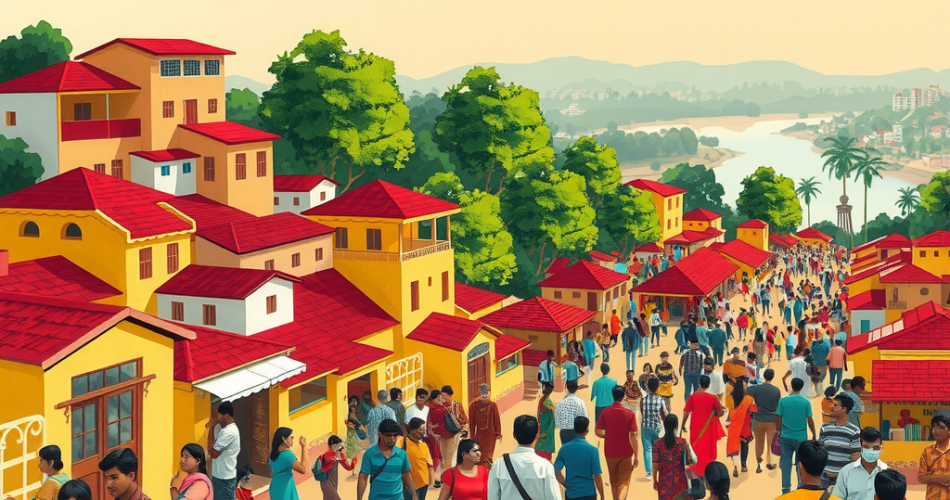
Population growth in Bangladesh is a major issue that affects every part of life in the country. Understanding this topic helps students learn how increasing population impacts education, jobs, environment, and daily life. In this article, you will discover why Bangladesh’s population is growing, the challenges and benefits, and what this means for our future. After reading, you will be able to write strong paragraphs on this subject for exams.
Key Takeaways
- Bangladesh has one of the highest population densities in the world.
- Rapid population growth creates both challenges and opportunities.
- Understanding the causes and impacts helps students prepare effective paragraphs and exam answers.
Population Growth in Bangladesh Paragraph in 150 Words
Population growth in Bangladesh has become a significant concern in recent years. The country is one of the most densely populated places in the world, with more than 170 million people living in a small area. This rapid increase is due to factors like high birth rates, improvements in healthcare, and a lack of family planning in some areas. As a result, there is extra pressure on resources like food, water, education, and jobs. Overpopulation also causes problems, such as traffic jams, pollution, and crowded cities. However, a large population can also provide a big workforce, helping economic growth if people get proper education and employment. The government and different organizations are working to control the population by raising awareness and promoting family planning. Solving this issue is important for the country’s sustainable development and for ensuring a better future for everyone.
Population Growth in Bangladesh Paragraph in 250 Words
Bangladesh is known for its rapidly increasing population, making it the eighth most populous country in the world. With more than 170 million people living in a country only about 1,48,460 square kilometers in size, the population density is extremely high. The main causes of population growth in Bangladesh are high birth rates, falling death rates due to better healthcare, early marriages, and lack of awareness about family planning. This rapid growth puts pressure on the country’s resources: land is divided among many people, food production is stretched to the limit, and housing shortages are common. It also affects public services such as education and healthcare, making it difficult for everyone to get quality support. Traffic congestion, unemployment, and environmental pollution are increasing problems in urban areas like Dhaka and Chattogram. On the other hand, the large population offers potential for economic growth if people are given education and job opportunities. The government has launched family planning programs and awareness campaigns to help slow down population growth. NGOs are also helping by encouraging people to have smaller families and educating them about the consequences of overpopulation. If Bangladesh can control its population growth, it will be able to achieve sustainable development and provide a better quality of life for its citizens.
Population Growth in Bangladesh Paragraph in 300 Words
Population growth in Bangladesh is a pressing national issue with widespread effects on society, economy, and the environment. As of 2024, Bangladesh’s population has exceeded 170 million, making it the most densely populated country (except some city-states) in the world. The key causes behind this growth are high birth rates, early marriages, cultural preferences for larger families, and improvements in medical services that have lowered child mortality rates. While the country’s fertility rate has declined over the last two decades, it is still higher than many developed nations. This rapid growth is placing immense strain on land, water, schools, hospitals, transportation, and job markets. For example, schools in urban and rural areas often have too many students per class, and cities like Dhaka struggle with traffic jams, pollution, and slum settlements. There is also an increased demand for food and clothing, causing prices to rise and making life harder for poor families. However, the growing population is also seen as a potential resource if the government and private sector invest properly in education and skill development. Bangladesh is trying to address the problem through family planning programs, awareness campaigns, and improving the status of women through education, which helps delay marriage and reduce birth rates. NGOs also play a vital role, especially in rural areas, by educating families about the benefits of small families and modern healthcare. Overall, controlling population growth is essential for achieving the Sustainable Development Goals (SDGs) and ensuring a healthy, developed future for Bangladesh. Proper management and education are vital to turning this challenge into an opportunity for national progress.
Population Growth in Bangladesh Paragraph in 400 Words
The population growth in Bangladesh is a critical issue that affects every sector of the country’s development. With over 170 million people living in an area smaller than many single states, Bangladesh is one of the most densely populated countries globally. The root causes of this rapid growth include high birth rates, improved healthcare facilities that lower child mortality, early marriages, and limited access to family planning resources in some regions. Although the government and various NGOs have made efforts to slow down the growth rate, population numbers keep rising, especially in urban areas where people migrate searching for better jobs and education. The impact of overpopulation in Bangladesh is seen in multiple sectors: agriculture faces the pressure of producing more food from limited land, education and healthcare institutions are overcrowded, and urban infrastructure struggles to keep up with the demand for housing, roads, clean water, and sanitation. Environmental problems, such as air and water pollution, are rising because too many people compete for limited resources. Unemployment rates remain high, especially among young people, and many are forced to do low-paying jobs or move abroad as migrant workers. On the other hand, the large working-age population is an advantage if investments are made in education, skill development, and job creation. The government has introduced various family planning programs and campaigns to create awareness, encourage birth control, and support women’s education, which often results in smaller family sizes. NGOs like BRAC and Grameen Bank are also running effective initiatives, especially in rural areas. If these efforts continue and succeed, Bangladesh can better manage its population, reduce poverty, and achieve future goals such as the Vision 2041 plan for a prosperous nation. Conclusively, controlling population growth is essential for sustainable development, uplifting the standard of living, and using human resources wisely for the nation’s betterment.
Population Growth in Bangladesh Paragraph for Class 6-7
Bangladesh has more people than many countries, even though it is small. Every year, the number of people increases because many families have more children and health services have improved. This makes cities and villages crowded. There are not enough schools, food, and jobs for everyone. The government and some organizations are teaching people about family planning to help slow down how fast our population grows. If we can control our population, Bangladesh will be a better place to live.
Population Growth in Bangladesh Paragraph for Class 8
Bangladesh is a small country with a very large population. The main reasons for this are high birth rates and better healthcare. Because of so many people, there are problems like crowded schools, not enough jobs, and traffic jams in cities. Rich farmlands must produce more food for everyone. To solve these issues, the government has started programs to teach people about family planning and small families. If the population growth is controlled, people’s quality of life will improve.
Population Growth in Bangladesh Paragraph for Class 9
Bangladesh faces major challenges due to rapid population growth. Each year, thousands of new people are born, and medical advances ensure many survive. This causes pressure on resources like land, food, and jobs. Overpopulated cities suffer from traffic congestion, pollution, and housing shortages. Schools and hospitals struggle to serve everyone. However, a large population can be used for national development if they get good education and skills. Government and NGOs are working together to promote family planning and awareness campaigns. Only by managing population growth wisely can Bangladesh achieve sustainable progress.
Population Growth in Bangladesh Paragraph for SSC
Population growth in Bangladesh remains a critical issue, intensifying social and economic pressures. With a population of over 170 million in a limited area, resources like land, food, healthcare, and education are under severe strain. This crowding leads to serious problems: high unemployment, slum development, pollution, and traffic congestion in cities. The pressure on farming land reduces its productivity, and environmental degradation is increasing. Still, a large workforce has the potential to contribute to economic growth, provided they receive quality education and skill training. The government’s efforts in promoting family planning, raising awareness, and improving women’s education are showing some results by reducing the fertility rate. Effective management of population growth is vital for the country’s future, helping it achieve economic stability and better living conditions for all citizens.
Population Growth in Bangladesh Paragraph for HSC
Bangladesh, home to over 170 million people within a territory of 1,48,460 square kilometers, ranks among the world’s most densely populated countries. Rapid population growth originates from high birth rates, improved healthcare that decreases mortality, socio-cultural factors like early marriage, and insufficient use of family planning methods. This demographic pressure severely stretches resources: agricultural land, clean water, public healthcare, and education systems all face significant shortages. Urban expansion brings new challenges, including environmental pollution, housing crises, traffic congestion, and the proliferation of informal settlements. Nevertheless, if this demographic dividend—Bangladesh’s large working-age population—is harnessed through strategic investments in education, vocational training, and job creation, it could drive significant economic growth. Encouraging trends, such as falling fertility rates due to governmental and NGO initiatives in women’s empowerment and awareness campaigns, are promising. For sustainable development and to reach Vision 2041, Bangladesh must effectively manage its population growth by ensuring equal access to education, health, and economic opportunities.
Population Growth in Bangladesh Bangla Meaning
বাংলাদেশে জনসংখ্যা বৃদ্ধির হার সাম্প্রতিক সময়ে খুবই উল্লেখযোগ্য একটি সমস্যা হয়ে উঠেছে। এই দেশটি দুনিয়ার অন্যতম ঘনবসতিপূর্ণ দেশ, যেখানে ছোট এলাকায় ১৭ কোটিরও বেশি মানুষ বাস করে। দ্রুত জনসংখ্যা বৃদ্ধির কারণগুলোর মধ্যে রয়েছে উচ্চ জন্মহার, স্বাস্থ্যসেবার উন্নতি এবং কিছু স্থানে পরিবার নির্ধারণ সম্পর্কে সচেতনতার অভাব। এর ফলে খাদ্য, পানি, শিক্ষা ও কর্মসংস্থানের উপর অতিরিক্ত চাপ পড়ছে। জনসংখ্যা বৃদ্ধি যানজট, দুষণ ও নগরের ভিড় বাড়ানোর পাশাপাশি দেশকে মানবসম্পদে ও অর্থনৈতিক সমৃদ্ধিতেও সাহায্য করতে পারে যদি সবার জন্য মানসম্মত শিক্ষা ও কাজের ব্যবস্থা করা যায়। সরকার ও বিভিন্ন সংস্থা মানুষের মধ্যে সচেতনতা বাড়াচ্ছে ও পরিবার পরিকল্পনা প্রচলন করতে কাজ করছে। এ সমস্যার সমাধান দেশের টেকসই উন্নয়ন এবং সবার একটি সুন্দর ভবিষ্যতের জন্য খুবই প্রয়োজন।
| English Word | Bengali Meaning |
|---|---|
| Population | জনসংখ্যা |
| Growth | বৃদ্ধি |
| Density | ঘনত্ব |
| Overpopulation | অতিজনসংখ্যা |
| Awareness | সচেতনতা |
| Family Planning | পরিবার পরিকল্পনা |
| Resources | সম্পদ |
| Development | উন্নয়ন |
| Sustainable | টেকসই |
| Challenge | চ্যালেঞ্জ |
Paragraph Writing Rules
To write the best paragraph and get good grades, always start with a clear topic sentence that introduces the main idea. Include important facts, reasons, and examples relevant to the topic, such as causes, effects, and solutions. Use linking words (like "because," "so," "however") to connect ideas smoothly. Keep sentences short and direct, especially for school-level writing. Avoid repetition and general statements—make every sentence useful. End your paragraph with a concluding sentence that sums up the topic. To improve, read sample paragraphs, expand your vocabulary, and practice organizing information logically. For this topic, use real data, clear explanations, and describe both challenges and benefits. Always read your work carefully to check for spelling and grammar mistakes before submitting.
Table (Quick Facts)
| Topic | Key Points |
|---|---|
| Population (2024) | Over 170 million |
| Area | 1,48,460 sq. km |
| Density | Highest among large countries (1,100+/sq km) |
| Birth Rate | Around 17 per 1,000 people (2023) |
| Decline in Fertility | Gradually decreasing since 2000s |
| Main Problem | Pressure on resources (food, land, jobs) |
| Solution | Family planning, education, awareness |
FAQ
Q: What is the current population of Bangladesh?
A: Over 170 million people as of 2024.
Q: Why is population growth a problem in Bangladesh?
A: It creates pressure on resources like food, land, jobs, and services.
Q: What causes high population growth in Bangladesh?
A: High birth rates, early marriages, better healthcare, and less family planning.
Q: Is population growth always bad?
A: No, if managed well, a large population can help economic development.
Q: What steps are being taken to control population growth?
A: The government and NGOs promote family planning, awareness, and female education.
Conclusion
Population growth in Bangladesh is both a challenge and an opportunity. If managed well, it can drive economic progress, but if left unchecked, it threatens the country’s resources and quality of life. Learning about this topic helps students understand social changes and write strong exam answers. Solving the population problem will allow Bangladesh to achieve sustainable development goals and a better future for all. Do you have any other thoughts or tips about population growth in Bangladesh? Share them in the comments!

Comments